The Seller's Guide
You Said Yes. Here's What Happens Next.
Your escrow, start to keys
Download the guideCongratulations
Your Next 30 Days
You said yes to an offer. Congrats, that's the big one. Now comes escrow, usually about 30 days, and most of what matters happens in the first two or three weeks. This is the same talk I give every seller the day we open escrow, so you know what's coming and what's actually on your plate.
Keep it handy. You don't have to memorize any of it, because I'll tell you what's next every step of the way.
Day 0 · contingency period
Offer accepted
Escrow opens
Day 3 · contingency period
Deposit in
About 3 business days
Day 7 · contingency period
Disclosures out
Escrow package arrives
Day 10 · contingency period
Inspections
Then the appraisal
Day 17
Green light
Contingencies removed
Day 26
Walk-through
Within 5 days of closing
Day 30
Closing
Keys to the buyer
Day 0 to about day 7
The First Week
A lot starts moving the minute you sign. Most of it happens without you, and here’s what it looks like from the outside.
01 · Day 0
You accept, and escrow opens
Once everyone signs, I send the contract to escrow and they open your file, usually the same day or the next. Escrow is the neutral middle. They hold the money and collect the paperwork from both sides, and nobody gets paid until it all lines up.
02 · About day 3
The buyer's deposit goes in
The buyer sends their earnest money deposit to escrow, typically within 3 business days of acceptance. That's the standard in the California purchase agreement. I confirm it landed and let you know.
03 · First week
Escrow and title get to work
Title pulls the history on your home, including your loan and anything recorded against it, into a preliminary title report. If something odd shows up, like an old lien you forgot about, this is where we catch it, early, while there's time to clear it.
04 · About day 7
Your disclosures go out
You'll sign the seller disclosures, where you tell the buyer what you know about the home. In California they typically go out within about 7 days. Be honest and thorough. Something you disclose up front is almost never a problem later. Something you didn't disclose can be.
05 · First week or so
The buyer's loan gets rolling
The buyer's lender starts underwriting and orders the appraisal. You don't have to do a thing here except keep the house easy to get into.
06 · First week or so
Your escrow package shows up
Then the escrow officer sends you your package. That's the one piece of homework that is truly yours, so it gets its own page.
01 · Your homework
Your Escrow Package
Your escrow package is a stack of forms from the escrow officer. It covers the payoff authorization, so escrow can pay off your mortgage at closing, where you want your proceeds sent, and your identity information.
Three of those forms have to be notarized. You've got three ways to get that done.
My pick
Sign at escrow
You sign in their office, and if a question comes up, the people who prepared the forms are right there to answer it. Questions get answered at the source, which is why I recommend it.
A mobile notary
They come to your home at a time that works for you. Easy if you're working or juggling kids.
Your own notary
Your bank often has one. Bring the forms and your ID.
The forms are due back a week or two before closing. Do me one favor: text me the day your package arrives, so I know it's in your hands and we can get ahead of it.

02 · If you have an HOA
HOA Documents
If your home is in an HOA, the association's documents get ordered automatically once escrow opens. You don't have to chase them. The cost shows up as a line item in your closing costs, so there's no separate bill.
The buyer reviews those documents as part of their contingency period: the rules, the budget, the meeting minutes. If they object to something in there, they can still cancel. It rarely happens, and it's one more reason not to pack a single box yet.
03 · The first two to three weeks
Everything Is Front-Loaded
Almost everything that can change the deal happens in the contingency period, roughly the first two to three weeks. The inspections, the appraisal, the HOA documents and the buyer's loan all land early.
So here's my rule. Don't pack up, don't book the movers and don't make big plans until the buyer removes their contingencies. I know it's tempting. Wait for me to tell you we're clear.

04 · Two visits to plan around
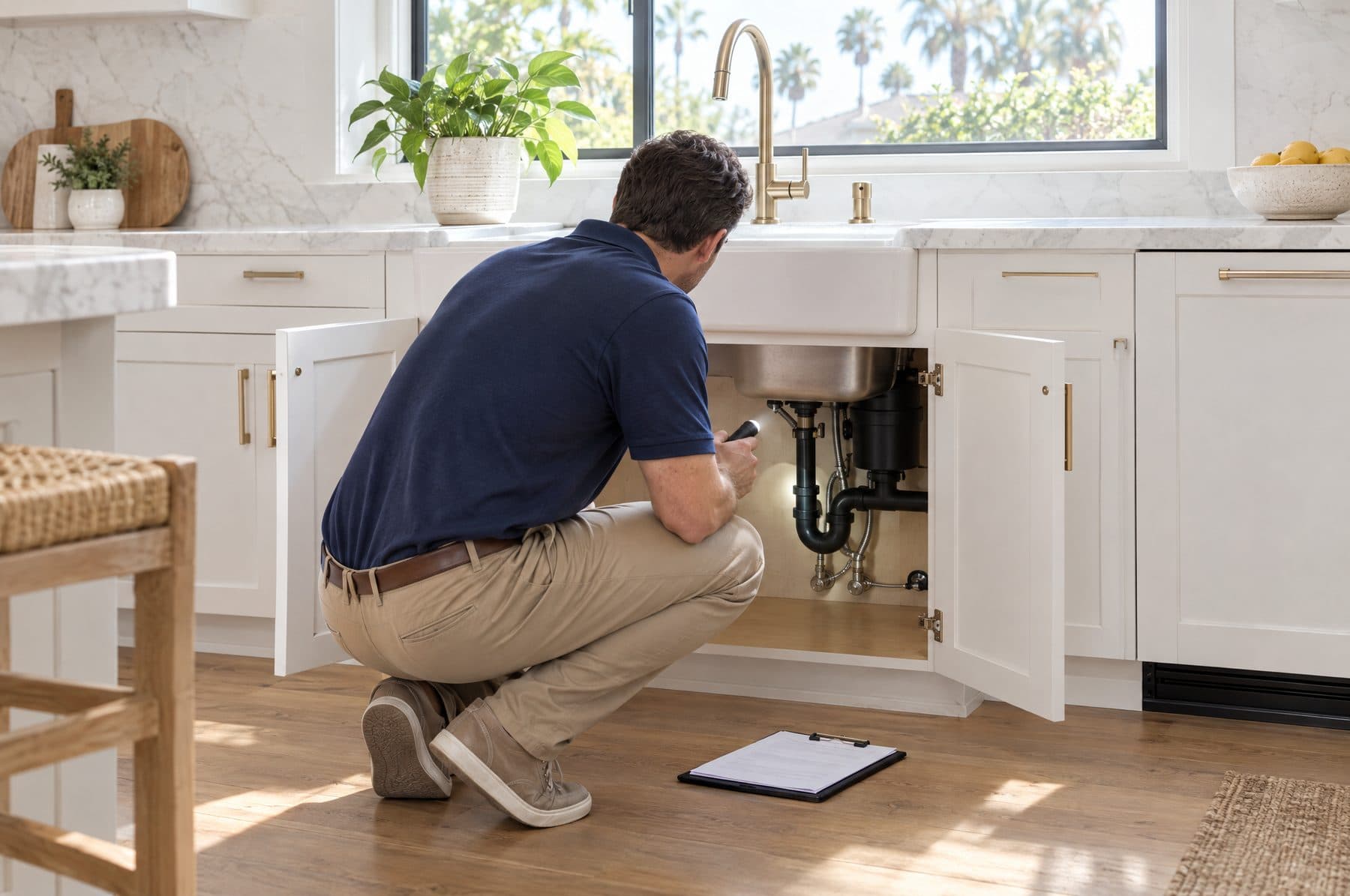
Inspections
2 to 3 hours
The home inspection
The buyer, their agent and the inspector will be there, and sometimes a parent or two. You'll need to be out of the house for it, so make a plan for your pets.
About 30 minutes
The termite inspection
Quick, and you're welcome to be home for this one.
When the report comes back, don't panic. Every house has findings, even brand new ones. Most are things already on your disclosures, simple repairs, or things the buyer honestly doesn't care about. It's all part of the negotiation, and negotiating is my job.
05 · The lender's check
The Appraisal
The buyer's lender sends an appraiser to confirm the home is worth what the buyer is paying. I meet the appraiser myself and bring the comparable sales that back up your price.
You stay away for this one. It isn't personal. It just goes better when the appraiser can work without the owner in the room.
06 · When it gets real
The Loan Contingency
Even a buyer who's fully approved still needs the loan to approve your home. The lender looks at the house, the HOA and the location, not just the buyer.
Until contingencies are removed, the buyer is protected. If they cancel, they get their deposit back.
Once they remove contingencies, that changes. A buyer can still cancel up to closing, but now they lose their earnest money deposit. That's rare, because it's real money. That removal is your green light. Start packing.

07 · Only after removal
Repairs
If we negotiated repairs, they happen after the buyer fully removes contingencies, not before. There's no reason to spend a dime on a buyer who can still walk away for free.
Once we're clear, I'll help you line up the work, and we'll get the receipts over to the buyer's side.
08 · The last look
The Final Walk-Through
The buyer does a final walk-through, usually within 5 days of closing. Earlier is better, because it leaves time to sort out anything that comes up.
Don't stress about the house being a mess. Boxes everywhere is totally fine. Honestly, buyers like seeing boxes. A spotless house that looks lived in makes them wonder if anybody's actually leaving.
If you negotiated a few days to stay in the home after closing, called a rent back, we'll plan the walk-through around it. And if your move timing is tight, ask me. A short rent back is sometimes an option.

09 · Leaving something behind?
Furniture You Want to Leave
Thinking about leaving the patio set, the fridge or the sectional that won't fit in the new place? Offer it to the buyer early, around inspection time. Tell me and I'll ask their agent.
Buyers say yes more often than you'd think. What you don't want is to be stuck in the last three days of escrow trying to sell a couch online.
10 · Our promise
We'll Tell You Everything, in Real Time
Every inspection, appraisal and walk-through gets scheduled through us, and you'll know about it before it happens. Nobody shows up at your door unscheduled.
If you ever wonder where things stand, text me. You shouldn't ever have to guess.

Keep it handy
Your Seller Checklist
The first week
- Sign and return your seller disclosures
- Text me the day your escrow package arrives
- Pick how you'll notarize: at escrow, a mobile notary or your own
During contingencies
- Plan to be out for the home inspection, pets included
- Keep all buyer contact through the agents
- Offer any furniture you're leaving around inspection time
- Hold off on packing and movers
After contingencies are removed
- Book the movers and start packing
- Finish any negotiated repairs and keep the receipts
- Return your notarized forms a week or two before closing
The last few days
- Be ready for the final walk-through, usually within 5 days of closing
- Leave keys, remotes and codes for the buyer

Questions along the way?
Text me. I answer every one.
Escrow has a lot of moving parts, and you only have to keep track of a few of them. I keep track of the rest. Nobody shows up at your door unscheduled, and you’ll hear about everything from us first.
Call or text Jordona
(714) 865-6569jordona@jordonayourrealtor.comJordona Hertz, Broker · DRE #01938232
JMTW Inc. DBA The Hertz Group · DRE #02150303
This guide describes a typical California home sale for general information. It is not legal, tax or financial advice, and it does not change the terms of your purchase agreement. Timelines vary by contract, so your agreement and your escrow instructions govern your sale. Photographs, other than Jordona’s portrait, are illustrations.